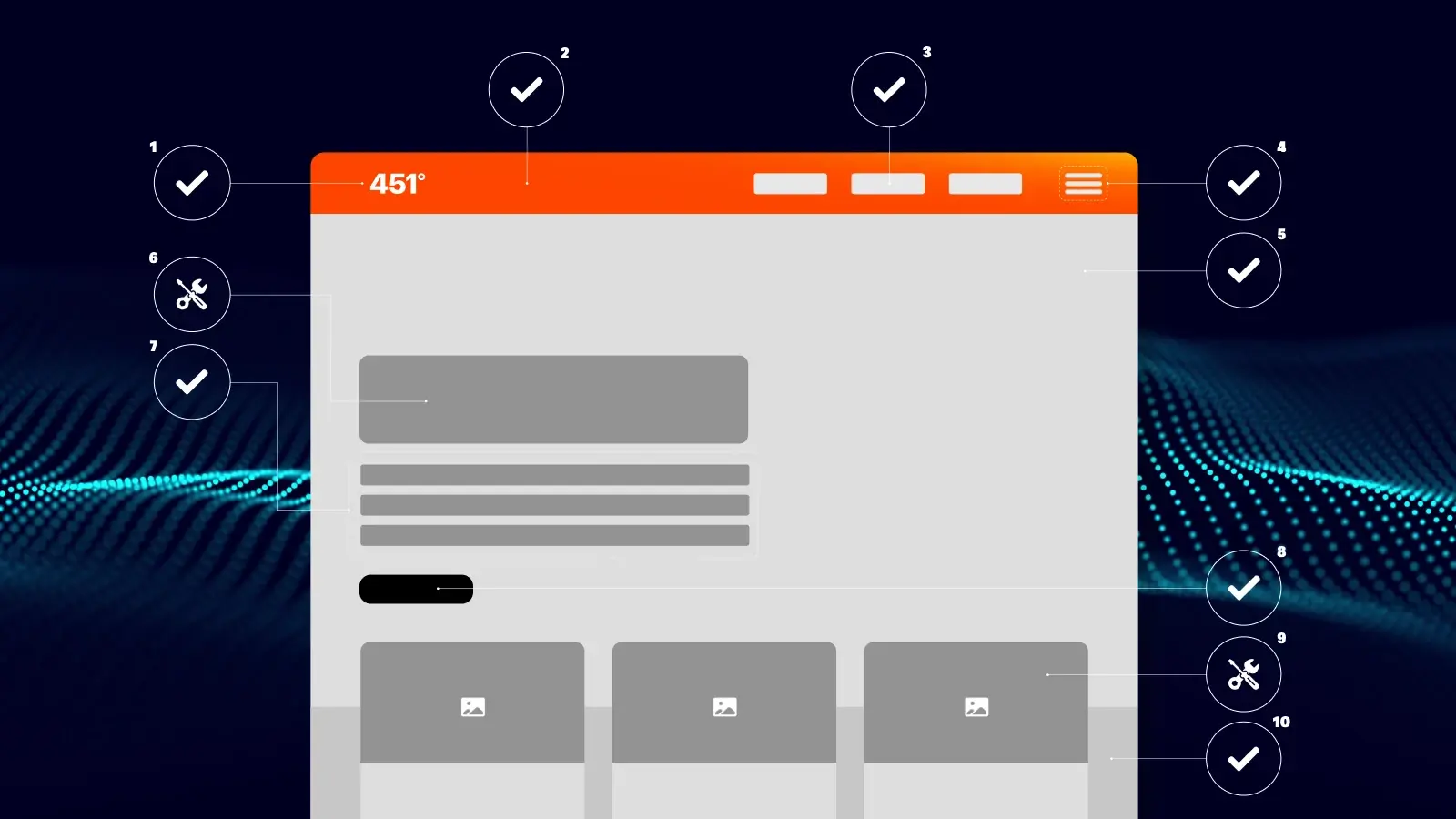
A rebrand can be exciting. It creates momentum, gives internal teams something to rally around, and signals change to the market. But too many companies begin the process in the wrong place: visuals first, strategy second.
They start exploring logos, colors, and inspiration references before answering the harder questions. What do we want to be known for? Who are we really trying to reach? Why should customers choose us over alternatives? What space do we want to own in the market?
Without clarity on those points, a rebrand may look better, but it will not necessarily perform better.
The strongest rebrands are not just aesthetic upgrades. They are strategic resets built on clear brand positioning, sharper messaging, and a stronger understanding of audience and market context. Before updating your identity, it is essential to define the foundation that identity will represent.
Why positioning matters before a rebrand
Brand positioning is the strategic decision about how your company should be perceived in the minds of your audience. It shapes how you talk about your value, how you differentiate from competitors, and how every touchpoint should feel.
When positioning is unclear, the symptoms tend to show up everywhere:
- Generic messaging
- Inconsistent tone of voice
- Sales materials that do not resonate
- Websites that say a lot but communicate very little
- Visual identities that look polished but feel interchangeable
This is why many rebrands underperform. The design may improve, but the underlying story stays vague.
A successful rebrand should not ask, “How should we look?” first. It should ask, “What should people understand and remember about us?” Once that answer is clear, the visual system becomes much easier to build.

1. Audit how your brand is perceived today
Before defining where your brand should go, you need to understand where it stands now.
Start with a practical audit of your current brand across key touchpoints:
- Website homepage and core service pages
- Social presence
- Pitch decks and sales collateral
- Email communication
- Customer testimonials and reviews
- Competitor comparison
Look for patterns. Is your message consistent? Does your value proposition come through clearly? Does your brand sound distinctive, or could the same copy belong to any competitor in the category?
This stage is especially useful because it helps separate internal assumptions from external reality. Often, leadership teams think the market sees them one way, while customers experience the brand very differently.
A good brand audit should help answer:
- What is clear today?
- What feels generic or outdated?
- What is creating confusion?
- What are we communicating well?
- What is missing?
2. Define your audience with more precision
Many brands approach a rebrand with a broad or overly simplified audience definition. They say things like “small businesses,” “modern consumers,” or “growing brands.” But positioning becomes much stronger when audience clarity becomes more specific.
You need to understand:
- Who your ideal customer is
- What they care about most
- What problem they are actively trying to solve
- What makes them trust one option over another
- What language feels relevant to them
A rebrand should not only reflect who you are. It should connect with what matters to your audience right now.
This is where strategy creates value. The more clearly you define your audience’s needs, expectations, and decision-making triggers, the more precise your messaging and identity can become.
3. Clarify what makes your brand different
One of the most important steps before a rebrand is identifying the difference your brand can credibly own.
This does not mean inventing a dramatic new claim. It means defining the value you deliver in a way that is specific, relevant, and believable.
Ask:
- What do we do better than competitors?
- What do clients consistently value about us?
- What kind of experience do we create?
- What position in the market are we trying to strengthen?
- What do we want to be chosen for?
Strong brand differentiation rarely comes from sounding louder. It comes from sounding clearer.
If your brand positioning relies on words like innovative, premium, trusted, or creative without any proof or specificity, it may be too generic. Differentiation becomes stronger when it is grounded in real experience, expertise, process, or perspective.
4. Align messaging before you explore visuals
A new visual identity can make a brand look more modern, but messaging is what makes it meaningful.
Before beginning design, define the core strategic messages that should guide the rebrand:
- Your value proposition
- Your positioning statement
- Your tone of voice
- Your audience promise
- Your core brand messages
This helps ensure that design is not based only on taste or internal preference. Instead, it becomes an expression of strategy.
For example, a brand positioned around clarity and confidence should not sound overly abstract. A brand built around innovation and agility should not feel slow or corporate. Visual systems work best when they reinforce a clear strategic idea.
5. Build a rebrand around business goals, not just aesthetics
A rebrand is not only a creative exercise. It should support a business objective.
Maybe your company is entering a new market. Maybe you have outgrown your original identity. Maybe your offer has evolved and your brand no longer reflects the value you provide. Maybe the market has become more competitive and your current positioning is not strong enough.
These are strategic reasons to rebrand.
The more clearly you define the business goal, the easier it becomes to make better decisions throughout the process. You can evaluate whether your new positioning, messaging, and design are helping the brand move toward a real outcome — not just toward a nicer look.

What a strong pre-rebrand checklist should include
Before moving into identity design, make sure you have clarity on the following:
- Current brand perception
- Audience definition
- Competitor landscape
- Market position
- Differentiators
- Value proposition
- Messaging framework
- Tone of voice
- Business objective behind the rebrand
This is the work that gives a rebrand depth. Without it, creative execution may still look polished, but it will be much harder for the new brand to create traction.
Final takeaway
A rebrand should not begin with a logo exploration. It should begin with strategic clarity.
When brands take time to define their positioning, understand their audience, and align messaging before design begins, the result is not only a stronger identity — it is a stronger business tool. The website becomes clearer. Sales materials become sharper. Internal teams communicate more consistently. Customers understand the value faster.
That is the difference between a rebrand that simply looks new and one that actually moves the brand forward.
At 451 Digital Agency, we help companies clarify their brand positioning, messaging, and strategic direction before a rebrand, so every creative decision is grounded in purpose.
Planning a rebrand? Start with strategy. Grow with 451 Digital Agency.